Energy Code Compliance & Home Performance
Throughout Northern Nevada and California.

Understand How the Home Is Performing
Energy code compliance is more than paperwork completed before final approval. It helps verify that required energy features and systems have been installed and are performing as intended.
Energy testing can also help homeowners understand concerns in an existing home—such as uneven airflow, uncomfortable rooms, duct leakage, or heating and cooling systems that do not seem to perform as expected.
I provide field verification, diagnostic testing, and clear documentation so builders, contractors, homeowners, and project teams can better understand the results and move forward with confidence.
A Clearer Path Through the Process
Energy requirements can feel complicated, especially when a project involves several contractors, documents, inspections, and testing appointments.
I help make the process easier to understand.
Before scheduling the work, I take time to learn about the property, the project, the work being completed, and the documentation already available. I explain what testing or verification may be needed, what must be ready before I arrive, and what happens after the appointment.
My goal is to help identify concerns early, communicate clearly, and keep the project moving toward completion.

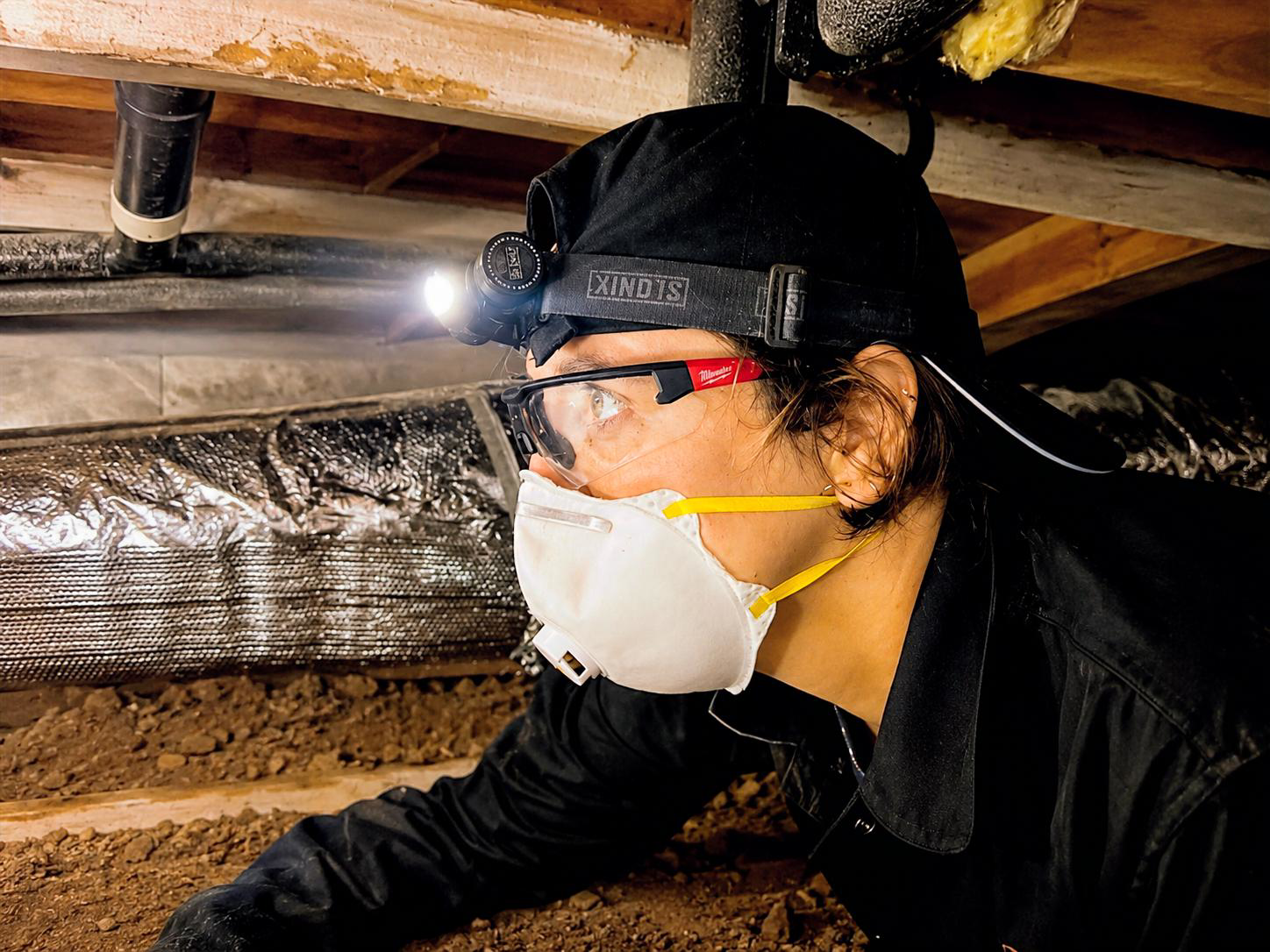
You may need energy testing or verification when:
You are building a new home
A heating or cooling system is being replaced
New ductwork is being installed
A project includes an addition or significant alteration
Your contractor has requested an ECC Rater
Your project paperwork identifies required field verification
Final approval depends on testing or documentation
Rooms in your home receive uneven airflow
Parts of the home are difficult to heat or cool
You have concerns about duct leakage
You want more information before repairing or replacing ductwork
You want to understand how an existing system is performing
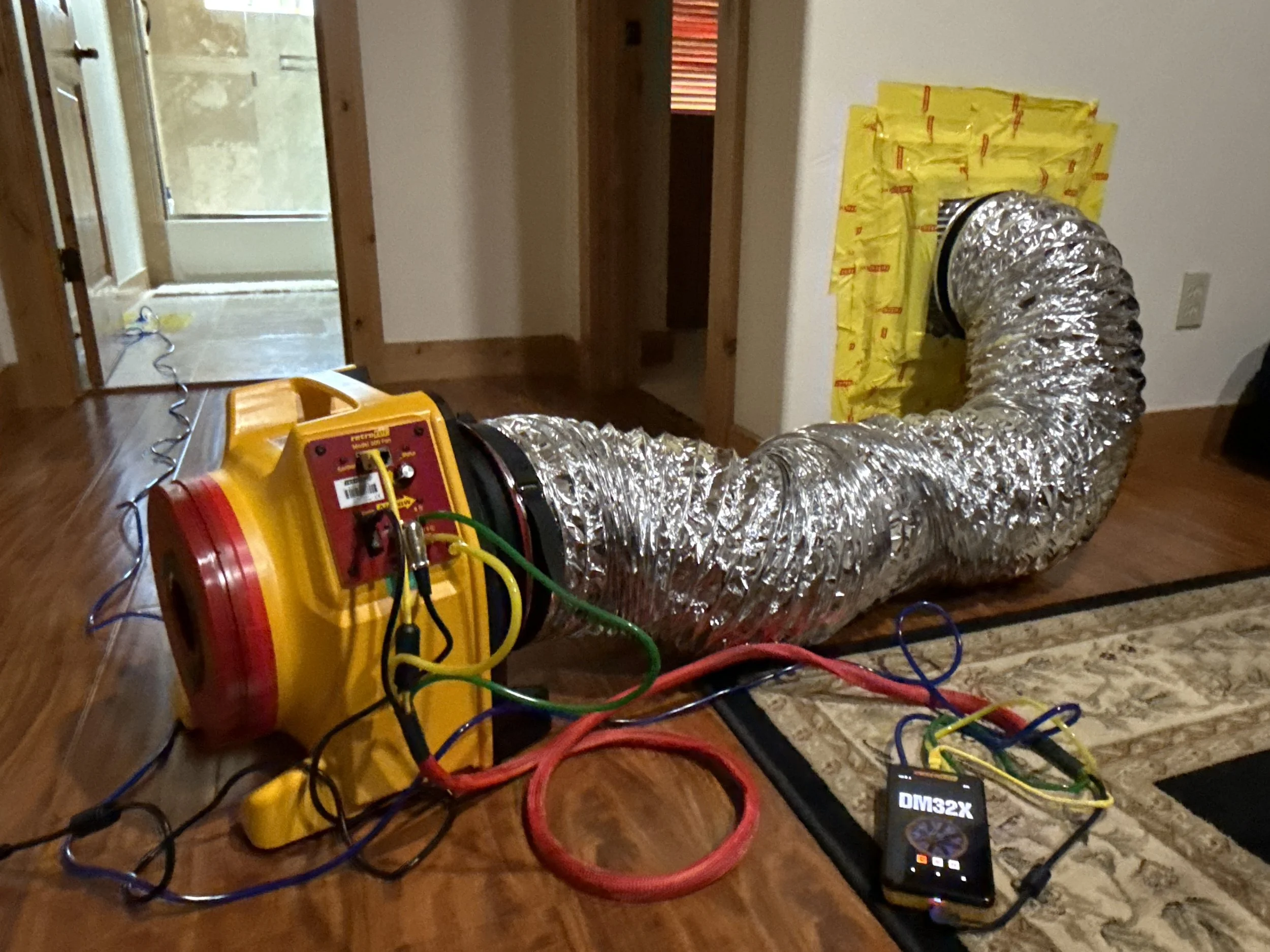
Duct Leakage Testing
Duct leakage can affect comfort, airflow, energy use, and the ability of the heating and cooling system to serve the home as intended. Diagnostic testing can help measure leakage within the duct system and provide clearer information about its performance.
This service may be appropriate for:
New or replacement duct systems
HVAC replacement projects
Energy-code verification
Existing homes with suspected duct leakage
Homeowners considering duct repairs or improvements
Blower Door Testing
A blower door test measures air leakage through the home’s building envelope. During testing, specialized equipment is installed in an exterior doorway to create a controlled pressure difference. This allows air leakage through gaps and openings in the building enclosure to be measured.
Blower door testing may be appropriate for:
New construction
Energy-code compliance
Additions and major alterations
Projects with required envelope-leakage testing
Existing homes with comfort or air-leakage concerns
Homeowners considering air-sealing improvements
Testing can provide useful information about how tightly the home is constructed, but it may not identify every individual leakage location without additional diagnostic work. The home must be prepared for testing, with exterior doors and windows closed and combustion appliances addressed as required for safe test conditions.
Refrigerant Charge Verification
Proper refrigerant charge is important to the performance and efficiency of an air-conditioning or heat-pump system. Refrigerant charge verification may be required as part of an energy-code compliance project, particularly when new HVAC equipment has been installed. The system must be complete, operating, and ready for testing before the appointment. Depending on the equipment and project requirements, verification may include reviewing the installed system, confirming that required conditions are met, and documenting the applicable test results.
This service may be appropriate for:
New HVAC installations
Air-conditioning replacement projects
Heat-pump installations
New construction
Projects that require field verification
Contractors who need applicable compliance documentation
If the system does not meet the required conditions or test criteria, additional contractor work and a return visit may be needed
Schedule Refrigerant Charge Verification
Discuss Refrigerant Charge Verification
Airflow and System Testing
A heating and cooling system may operate without delivering balanced or adequate airflow throughout the home.
Testing can help gather information when:
Some rooms receive very little air
One area is consistently warmer or cooler than another
Airflow feels weak at the registers
The system runs for long periods without improving comfort
Recent HVAC or ductwork changes have been completed
You want to better understand how the system is performing
Schedule Airflow and System Testing
Discuss Airflow and System Testing
HVAC Replacement Verification
Replacing a heating or cooling system may involve energy-code requirements, field verification, or diagnostic testing. I coordinate with the homeowner, contractor, and project team to understand what has been installed, determine what verification may be required, and complete the applicable testing and documentation.
Schedule HVAC Replacement Verification
Discuss HVAC Replacement Verification
Addition and Alteration Projects
Additions, remodels, and alterations may include energy requirements based on the scope of work. I review the available project information and help determine which field verifications or diagnostic tests may apply to the energy-related portions of the project.
Discuss Addition and Alteration Projects
New Construction Verification
New homes may require field verification and diagnostic testing to confirm that energy-related features have been installed and are performing as documented. Depending on the project, services may include reviewing available project information, completing required field observations, performing diagnostic testing, and submitting applicable documentation through the provider registry.
Schedule New Construction Verification
Discuss New Construction Verification
Existing-Home Performance Testing
Energy testing is not limited to new construction or HVAC replacement. Homeowners can schedule diagnostic testing when they have questions about comfort, airflow, ductwork, or how the home’s systems are performing.
Testing may help you better understand:
Uneven temperatures between rooms
Weak or unbalanced airflow
Suspected duct leakage
Rooms that are difficult to heat or cool
Excessive dust near registers
Questions about existing ductwork
Comfort concerns that continue while the system is running
Conditions to consider before making home improvements
The testing provides information about the conditions measured during the appointment. It does not automatically identify every cause of discomfort, but it can help clarify where further investigation or improvement may be appropriate.
Schedule Existing-Home Performance Testing
Discuss Existing-Home Performance Testing
Important Service Notes
Energy-code requirements and documentation vary according to the project, jurisdiction, scope of work, and applicable compliance documents. An ECC Rater verifies and documents applicable field conditions and diagnostic test results. The rater does not design the HVAC system, perform repairs, approve construction on behalf of the jurisdiction, or guarantee the overall comfort or energy use of the home. Existing-home diagnostic testing reflects the systems, areas, access, and operating conditions available at the time of service. Additional evaluation by a qualified contractor or specialist may be recommended.
Preparing for the Appointment
To help avoid delays, the systems and areas being tested should be complete, operating, and accessible before the appointment.
Depending on the service, this may mean:
HVAC equipment is installed and operating
Ductwork and registers are complete
Required access panels are available
Electricity and other necessary utilities are on
Construction materials do not block the work area
Project documents and equipment information are available
The contractor or responsible project contact can be reached
Doors and windows can be closed when required for testing
If the project is not ready for the scheduled test, a return visit may be required.
Working With Homeowners, Contractors, and Project Teams
Energy compliance often requires coordination between several people.
I work with:
Homeowners
Builders
General contractors
HVAC contractors
Energy consultants
Designers
Permit and project teams
Clear communication can help prevent missed appointments, incomplete installations, and delays near the end of a project.
When concerns are found, I explain what prevented the verification or test from being completed successfully and what may need attention before retesting.
Understanding the Results
Diagnostic equipment produces measurements, but the numbers are only useful when you understand what was tested and what the results represent.
I explain:
What was tested or verified
Where the test was performed
What conditions were present
What the measurements showed
Whether the applicable test criteria were met
Whether corrections or additional evaluation may be needed
What happens next in the documentation process
For existing-home testing, I explain the measured conditions without overstating what the testing can prove. Some concerns may require further evaluation by an HVAC contractor, insulation contractor, electrician, builder, or another qualified professional.
Let’s Determine What Your Home or Project Needs
Whether you are completing a construction project, replacing an HVAC system, or trying to understand airflow and comfort in an existing home, the right testing can provide clearer information.
Tell me about the property, the work being completed, or the concern you have noticed. I will help you determine the most appropriate place to begin.