
Environmental Testing
Throughout Northern Nevada and California.

Clearer Answers for Concerns You Cannot Always See
Not every concern within a home is visible during a standard inspection.
Changes in the air, unusual odors, past water intrusion, suspected mold, sanitation concerns, radon, and water quality may require testing to better understand what could be present.
I approach environmental testing with care and without unnecessary alarm. I take time to listen to what you have noticed, explain the testing process, and help you understand what the results may mean.

A Thoughtful Place to Begin
Environmental concerns can feel unsettling, especially when you do not yet know what is causing a smell, symptom, stain, or change within the home.
Testing can help replace uncertainty with information, but not every property needs every test. The most useful testing plan begins with a conversation about what you have observed and what you hope to understand.
You may be concerned about:
A musty or unusual smell
A past roof or plumbing leak
Visible staining
Changes in the indoor air
A private well or municipal water supply
Radon
A previous remediation project
An unexplained condition within one room
A need for documentation before or after repairs
Before recommending a service, I take time to understand what you have noticed, where the concern is located, how long it has been present, and whether anything may have changed in the home.
I will help you determine which testing service may be appropriate and explain when another type of professional evaluation may be needed instead.
My goal is not to create alarm. It is to help you gather reliable information, understand what the results may mean, and decide what the next step may be.
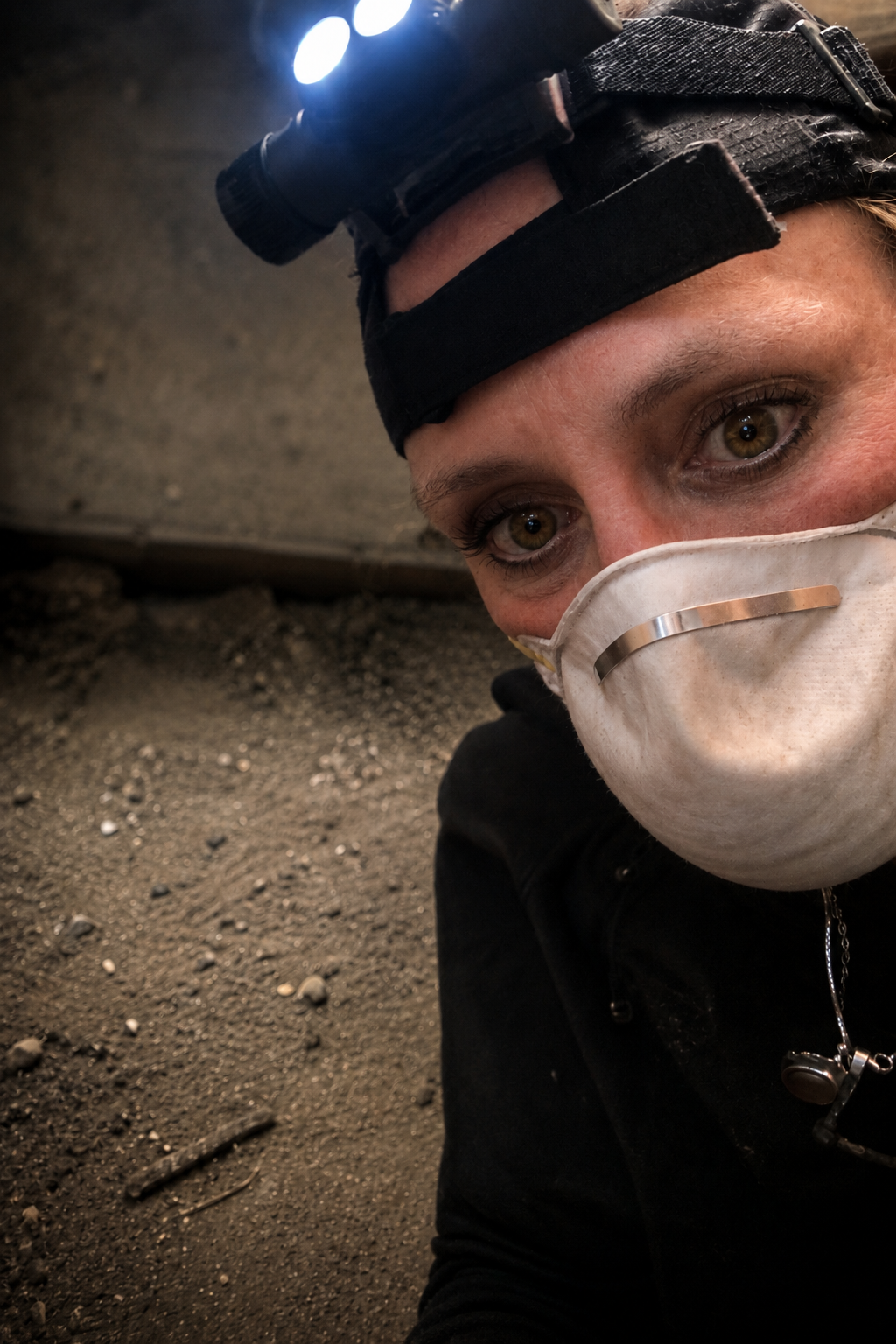
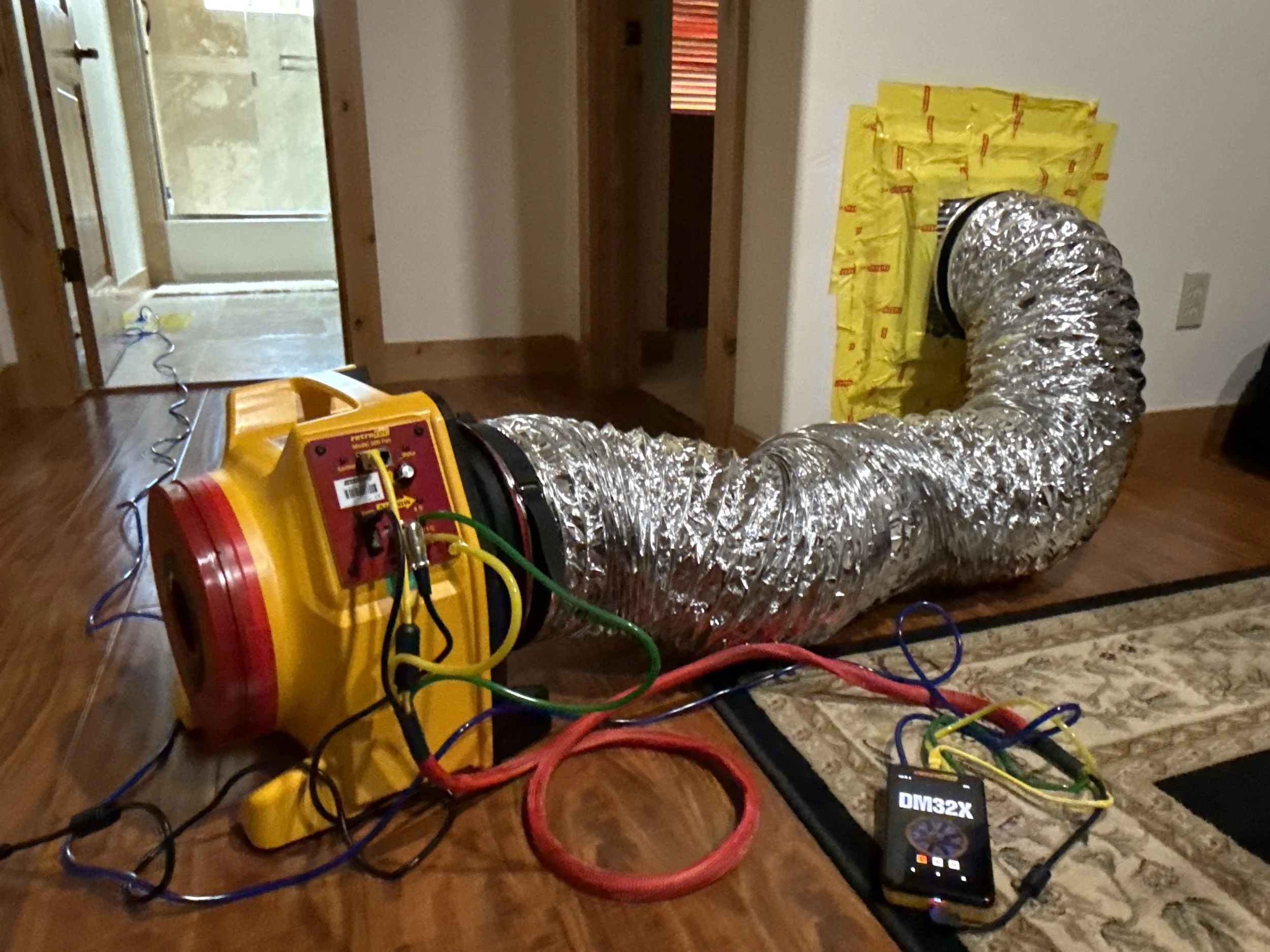
Indoor Air Quality Testing
The air inside a home can be affected by ventilation, moisture, airborne particles, building materials, household activities, and the way the home’s systems are operating.
Indoor air quality testing may be helpful when:
The home feels stale or poorly ventilated
There are persistent or unexplained odors
Some rooms feel noticeably different from others
Dust or airborne particles seem excessive
Concerns began after remodeling, repairs, or water damage
You want more information about the home’s indoor environment
Testing is selected according to the concern rather than using the same approach for every property.
Schedule Indoor Air Quality Testing
Discuss Indoor Air Quality Testing
Airborne Mold Particle Testing
Mold is not always visible. Air sampling can help gather information about airborne mold particles that may be present within the home.
This service may be appropriate when:
There is a musty or unusual odor
Water damage or a leak has occurred
Staining or suspected growth is present
A room feels different after repairs or remediation
You have concerns about an area that cannot be fully evaluated visually
Documentation is needed before or after corrective work
Air samples are collected from selected areas and submitted for laboratory analysis. Outdoor or control samples may also be collected when appropriate for comparison. I explain where samples will be taken, why those locations were selected, and what the laboratory results may indicate.
Schedule Airborne Mold Particle Testing
Discuss Airborne Mold Particle Testing
Surface Bacteria and/or Mold Testing
Schedule this service when you have concerns about suspected mold, moisture-related staining, unusual odors, sewage or wastewater exposure, flooding, sanitation issues, or an area that has recently been cleaned or remediated.
Depending on the concern, testing may include:
Mold surface sampling
Surface-bacteria sampling
Sampling after sewage or wastewater exposure
Post-cleanup or post-remediation sampling
A combination of mold and bacteria testing
I will review the concern with you, determine the most appropriate sampling approach, collect the samples, and submit them for laboratory analysis when required. Not every situation requires both mold and bacteria testing. The sampling plan is based on the conditions present and the information you are trying to obtain.
Schedule Surface Bacteria and/or Mold Testing
Discuss Surface Bacteria and/or Mold Testing
48-Hour Radon Testing
Radon is a naturally occurring radioactive gas that cannot be seen, smelled, or tasted. Iron Heart offers professional 48-hour radon monitoring using properly placed equipment and documented testing conditions.
Radon testing may be appropriate:
During a real estate transaction
After moving into a home
When the home has never been tested
When previous results are old or unavailable
After major changes to the home or ventilation
When you want current information about radon levels
The testing equipment remains in the home for approximately 48 hours. At the end of the testing period, I retrieve the monitor, review the recorded data, and provide the results. I will explain how the measured level compares with commonly used guidance levels and whether additional testing or mitigation evaluation may be appropriate.
Schedule 48-Hour Radon Testing
Municipal and Well Water Testing
Water can look, smell, and taste normal while still containing substances that cannot be identified without laboratory testing. Iron Heart offers water testing for both municipal water systems and private wells.
Available testing may include:
Lead
Nitrates
Bacteria
Water testing may be appropriate for:
Private wells
Older homes or plumbing systems
Homes where the water has not been tested recently
Buyers who want more information before closing
Homeowners who have noticed a change in taste, odor, or appearance
Properties with known or suspected water concerns
Municipal-water homes where lead or plumbing-related concerns exist
Samples are collected carefully and submitted for laboratory analysis as required. The appropriate testing panel depends on the water source, the concern, and the information you need.
Testing Begins With Your Concern
Not every concern requires the same type of test.
A musty odor may lead to a different testing plan than a past sewage backup, a private well, or a concern about radon. The most useful approach begins with what you have observed and what you are trying to understand.
When you contact me, it helps to share:
What you have noticed
Where the concern is located
How long it has been present
Whether there has been water damage
Whether repairs or remediation have been completed
Whether the property is occupied
Whether the concern involves air, water, a surface, or a specific room
Any deadlines related to a purchase, repair, or project
I will review the information and help you determine the most appropriate place to begin.
Environmental Testing With a Home Inspection
Environmental testing may be scheduled with a home inspection or requested as a separate service.
Combining services may be helpful when a property has:
A history of roof or plumbing leaks
Visible staining
A musty or unusual odor
A private well
Older plumbing
A lower-level or below-grade living area
Previous remediation or repair work
No recent radon testing
Concerns about indoor air or ventilation
Testing is not automatically included with a home inspection. It is added when appropriate for the property and your concerns.
Understanding the Results
Clear Information Without Unnecessary Alarm
Laboratory reports and testing data can be difficult to understand without context.
I will explain:
What was tested
Where the sample or measurement was taken
What the report shows
Whether a result appears elevated or notable
What limitations may apply
Whether additional evaluation may be appropriate
What questions you may want to ask next
Environmental testing does not always identify the source, cause, or full extent of a condition. In some cases, additional evaluation by a remediation contractor, environmental consultant, plumber, HVAC professional, water-treatment specialist, or another qualified professional may be appropriate.
My role is to help you gather useful information and understand the results without exaggerating or minimizing what they may mean.
Important Testing Notes
Environmental testing has limitations. Results represent the samples, locations, conditions, and testing period documented at the time of service.
Conditions within a home can change, and a sample collected in one location may not represent every area of the property.
Testing does not provide medical advice, guarantee that a property is free from environmental concerns, or replace evaluation by a qualified specialist when further investigation is needed.
Any urgent health concern should be discussed with a qualified healthcare professional.